
In South Korea, snail slime is among the most sought-after components in high-end dermatological care. Since the 1980s, the European cosmetics industry has drawn inspiration from this tradition, incorporating this mucus into anti-aging and restorative formulas.
Snail farming combines discreet agricultural yield with low environmental impact, while valuing the entirety of the animal. The specific nutrients found in the slime, as well as in the flesh, feed an innovative sector that blends cosmetics and sustainable food.
You may also like : Discover the benefits of quality decanted perfumes and miniatures to try
Why snail farming is increasingly appealing: curiosity, ecology, and well-being
In France, nearly 65,000 tons of snails are consumed each year, while local production does not exceed 1,000 tons. This contrast highlights a market undergoing reinvention: the demand is asserting itself, the national supply is trying to keep up, and a new generation of snail farms is taking root in our countryside. The species raised, Petit gris, Gros gris, Burgundy snail, are appearing in markets, driven by the rediscovery of traditional recipes and the creativity of innovative chefs.
Here’s why heliciculture attracts many project holders:
Recommended read : The Fascinating History of Hermès: Secrets and Evolution of an Iconic Luxury Brand
- Its ecological dimension: outdoor farming, plant-based feeding, limited environmental impact.
- A natural rhythm, respectful of the animal’s seasonal cycle.
- A family tradition or a career change, often with a focus on valuing local produce.
In the Pays de Bitche, classified as a world biosphere reserve by UNESCO, the snail embodies reasoned agriculture, committed to biodiversity and the transmission of know-how.
The snail also makes its way onto plates for its nutritional qualities: rich in protein, very low in fat, it meets the quest for dietary balance. The recovered shells find a second life, whether in crafts or soil amendment. As for direct sales, it strengthens the link between producer and consumer, offers transparency and proximity, and encourages knowledge sharing. For those who wish to go further, excargot.net offers practical resources on its page “Excargot – Family Good Advice,” aimed at anyone wanting to combine tradition, innovation, and respect for living beings.
Snail slime, an unsuspected treasure for the skin?
The snail fascinates with its ability to adapt and repair itself. This animal can regenerate its shell after an injury, thanks to its extraordinary mucus. Much more than a simple lubricant, snail slime concentrates rare active ingredients, earning it a prominent place in the world of skin care.
Scientists have identified an astonishing composition in snail mucus: allantoin, collagen, elastin, vitamins, antioxidants… all elements that promote cellular regeneration, tissue repair, and the reduction of signs of aging. When closely observing how the snail survives long periods of hibernation, moves across hostile surfaces, and restores its shell, the richness of its mucus emerges as a unique resource.
Cosmetic laboratories have understood this well, integrating snail slime into creams, serums, and other products inspired by the animal’s natural self-repair mechanism. This alliance between scientific research and breeder experience places heliciculture production at the heart of tomorrow’s challenges: combining nature and innovation, preserving biodiversity, and diversifying outlets beyond simple food use.
Practical tips and tricks to embark on the heliciculture adventure at home
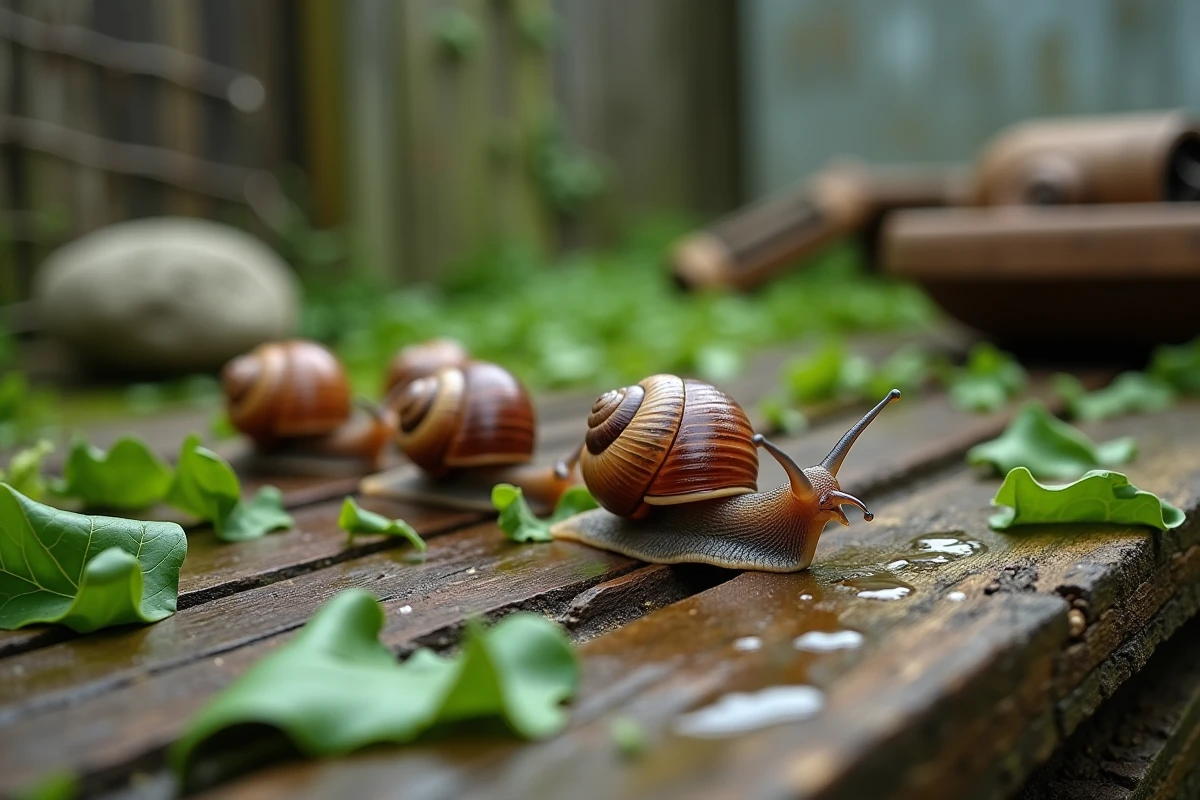
Starting snail farming requires familiarizing oneself with the key moments of their existence: hibernation from autumn to the end of winter, reproduction in spring, growth in summer, and harvest in the fall. To welcome petit-gris or gros-gris, you need to provide them with a protected environment, a mesh enclosure, an outdoor park sheltered from predators, a well-drained soil rich in vegetation and calcium to strengthen the shell.
Several tips facilitate success, starting with the famous curtain technique: by increasing the usable surface area and improving ventilation, it allows for increased production while maintaining healthy conditions. In terms of feeding, prioritize a base of leafy vegetables, cereal flours, and suitable mineral supplements.
To ensure that snails develop under good conditions, maintain a humid microclimate, protect them from the wind, provide some shade, and ensure cleanliness of the facilities. Balancing the population density limits the risk of diseases and promotes growth.
Whether with family or solo, heliciculture proves to be as exciting as it is educational. It fosters the discovery of the life cycle, respect for the animal, and offers everyone the chance to reconnect with nature. Local markets value this atypical product, and educational workshops or culinary classes around snails find a curious audience, drawn in by this adventure that is as discreet as it is unexpected.
At a time when agriculture is questioning its future, snail farming carves out a unique path: sober, inventive, and perhaps, heralding a new way of life.