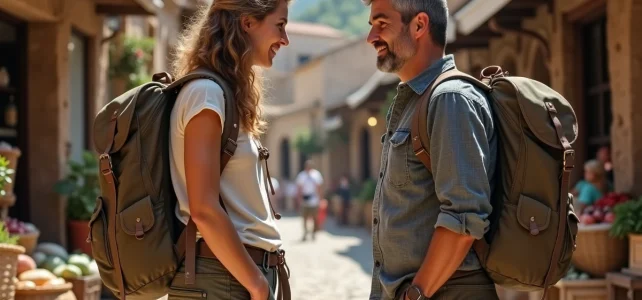
Accommodations with locals have increased by 40% in Europe over the past five years, while traditional hotel occupancy remains stagnant. Travelers are increasingly abandoning traditional tourist circuits in favor of itineraries co-constructed with local communities. Platforms offering immersive and responsible experiences are experiencing double-digit annual growth, despite still being a minority in the global tourism sector. This evolution meets new expectations regarding social engagement, reducing carbon footprints, and achieving a more equitable distribution of economic benefits.
Why does traditional tourism question our way of traveling?
Mass tourism has disrupted the way we discover the world. Standardized offers, concentrated influxes of visitors in certain places, landscapes reshaped by infrastructure: efficiency has quickly shown its side effects. Crowded beaches on the Mediterranean, historic centers transformed into living museums, natural spaces under pressure, the signs of exhaustion are accumulating. Changing our perspective on travel has become urgent, in the face of the accelerated degradation of iconic sites and the continuous rise in emissions related to air travel.
Julien Dupont, a sustainable development expert, observes daily the impact of traditional tourism: “The pressure on local resources continues to grow. Every year, destinations like Venice or Barcelona demonstrate the difficulty of reconciling tourist appeal with the quality of life for residents.” Questioning our travel habits is already opening the door to more balanced alternatives.
In light of these observations, several levers exist to limit the negative footprint of traditional tourism:
- Adopting more sustainable modes of transport, such as trains, bicycles, buses, or boats, tangibly reduces the carbon footprint of travel.
- Committing to sustainable tourism involves respecting biodiversity and host communities while limiting environmental impact.
The dynamics of responsible travel are gaining momentum. It invites us to change the way we travel, to slow down, and to fully open ourselves to local culture. For those who want to try the experience, discovering alternative tourism with Alternative Travel offers a gateway to a more conscious approach, away from the crowds, away from the automatism of mass tourism.
Alternative tourism: concrete solutions for exploring differently
Choosing alternative travel means rejecting the repetition and superficiality of standardized tourism. Slow travel aims to give meaning back to each journey. Here are some examples of practices to integrate into your journey:
- Opting for alternative transport, such as trains, bicycles, buses, or boats, reduces ecological footprints and allows for richer encounters and unique human experiences.
- All over France and Europe, secondary rail lines, cycling paths, and navigable waterways invite exploration. The stories of nomadic freelancers and everyday adventurers show that it is possible to travel differently, to discover at a different pace.
Solidarity travel paves the way for collective projects: true spaces for exchange and sharing. On the ground, voluntourism calls for vigilance: it is essential to prioritize missions developed in partnership with local populations, far from purely commercial logics. Ecotourism, for its part, encourages the preservation of nature and respectful observation of ecosystems, whether in natural parks or within small educational farms.
Several concrete avenues illustrate the richness of alternative tourism:
- Alternative accommodation: staying with locals, in ecolodges, or in guesthouses directly contributes to the economy of the visited area.
- Micro-adventures: taking a few days away, close to home, allows for rediscovering the diversity of one’s immediate environment.
- Slow tourism workshops: practical resources exist to learn how to travel differently, both in France and abroad.
Responsible travel requires constant vigilance: respecting traditions, consuming locally, and genuinely engaging with customs. This approach gives a new dimension to every encounter, to every landscape. For those seeking alternative paths, discovering alternative tourism with Alternative Travel charts a demanding and stimulating route, far from mass consumption.
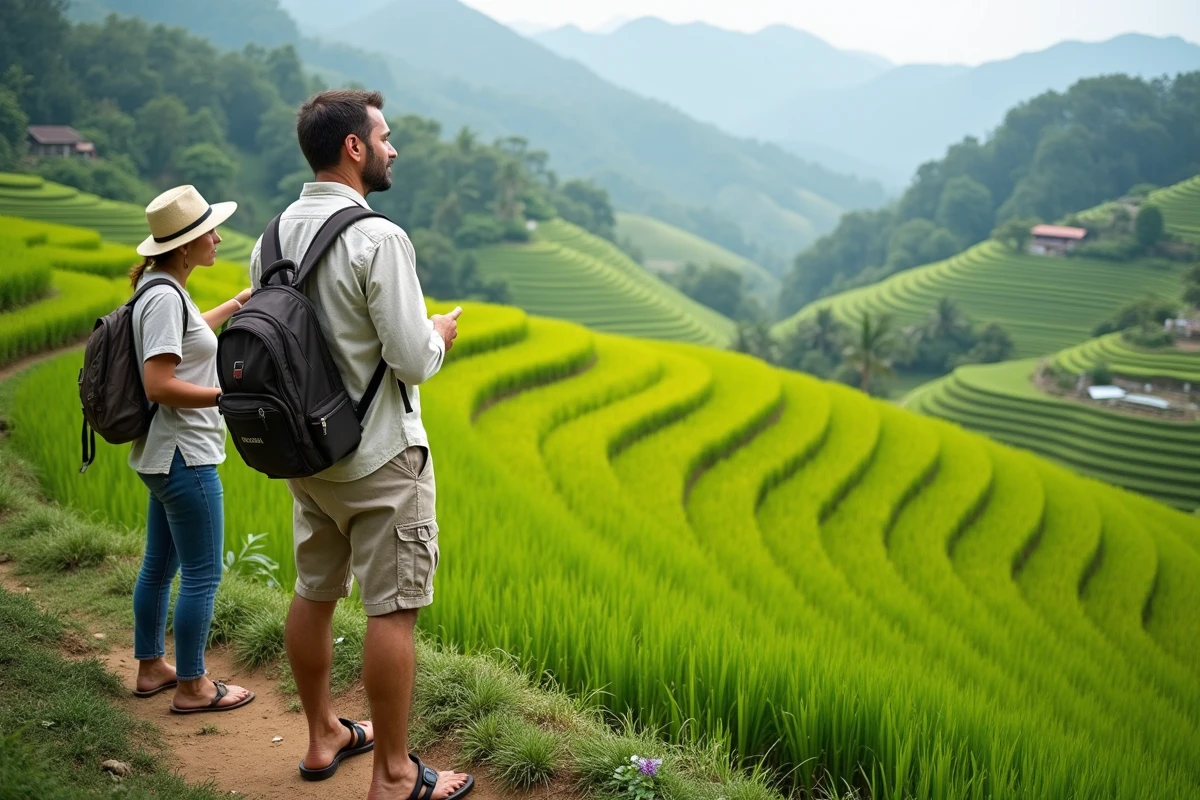
What positive impacts for oneself, local populations, and the planet?
Choosing to travel differently concretely transforms the experience of departure. Gone is the frenzy of express tourism: each stay becomes an opportunity to cultivate well-being while traveling. Taking time, slowing down, reconnecting with the living: this is what slow tourism workshops advocate. Travelers like Maria Camila or Julien Dupont testify: changing habits during a trip reshuffles priorities and questions the relationship with the world.
For local communities, the benefits are reflected in the vitality of the local economy and the appreciation of cultures. Shopping at markets, staying with locals, getting involved in community life: these choices root travel in a logic of sustainable development. Exchanges are more numerous, income circulates locally, and know-how is transmitted. Supporting local artisans or producers is much more than a question of footprint: it is a lever to energize territories often weakened by globalization.
On the environmental side, low-carbon travelers favor gentle means of transport like trains or bicycles. Choosing responsible accommodations, ensuring the preservation of ecosystems, and limiting waste: every action counts in reducing pressure on nature. This approach is part of a demanding vision of sustainable tourism, where respect for the environment is never sacrificed on the altar of speed.
To grasp the extent of these positive effects, here are the main contributions of alternative tourism:
- Authentic encounters
- Support for the local economy
- Reduction of environmental impact
- Personal growth
Changing the way we travel offers the opportunity to leave behind a meaningful footprint. Whether traveling far or just a short distance from home, every choice matters. The true luxury? Taking the time to meet, understand, and share. And what if tomorrow, traveling differently became the norm rather than the exception?